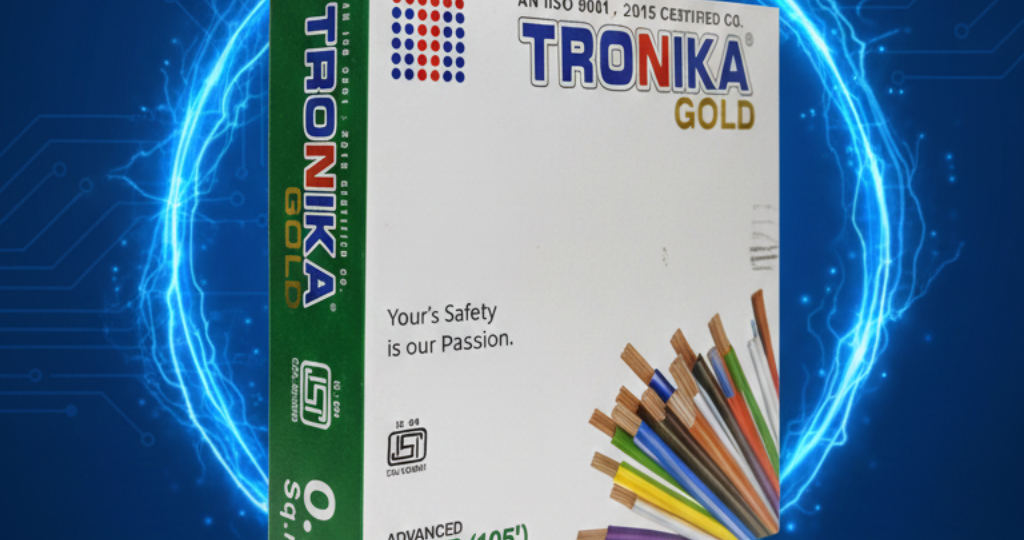
Electrical cables and wires form the backbone of every safe and efficient installation—whether it’s a home, commercial space, or industrial facility. Compromising on cable quality can result in power fluctuations, equipment damage, and serious safety risks such as overheating or fire hazards. Choosing the right cables is not just a technical decision—it’s a safety commitment.
Here are five essential features to consider when selecting high-quality electrical cables and wires:
1. High-Purity Copper Conductors
The performance of any cable depends largely on its conductor. Premium electrical cables use high-purity electrolytic-grade copper, which offers excellent conductivity, lower resistance, and minimal power loss. Pure copper conductors ensure efficient current flow, enhanced durability, and long-term reliability.
Tip: Cables that feel unusually lightweight may indicate inferior or mixed-metal conductors.
2. Strong, Heat-Resistant Insulation
Insulation plays a critical role in protecting against electrical faults, shocks, and overheating. High-quality cables are insulated with durable materials such as PVC or XLPE, designed to withstand high temperatures, moisture, and environmental stress.
For added safety, opt for cables marked as HR (Heat Resistant) or FR (Flame Retardant)—especially in high-load or enclosed installations.
3. Flexibility for Easy Installation
Ease of installation is just as important as performance. Flexible cables made with fine multi-strand copper are easier to route through conduits and walls, reducing installation time and minimizing the risk of damage.
Flexible wiring solutions are particularly beneficial for modern residential and commercial projects where complex layouts are common.
4. Compliance with Certified Standards
Quality certifications are a strong indicator of safety and performance. Always choose cables that meet recognized national and international standards, such as:
These certifications confirm that the cables have been tested for electrical efficiency, fire resistance, and environmental safety.
5. Flame-Retardant and Low-Smoke Protection
In the event of an electrical fault, flame-retardant cables help prevent the spread of fire, while FRLS (Flame Retardant Low Smoke) cables significantly reduce toxic smoke emissions. This feature is especially vital in homes, offices, hospitals, and high-occupancy buildings where safety is paramount.
Final Thoughts
Selecting high-quality electrical cables and wires is an investment in safety, performance, and peace of mind. By focusing on conductor quality, insulation strength, flexibility, certifications, and fire safety features, you can ensure long-lasting and reliable electrical installations.
Always choose trusted brands and consult professionals when needed to ensure the right solution for your specific application.
 Written by